
The post reflects on Maimonides, a 12th-century Jewish figure, emphasizing his philosophy that faith should be grounded in reason. He argues that reason prevents superstition, and true wisdom arises from inquiry. Maimonides believes those who blend philosophy and science will truly understand God, unlike those who rely solely on literal faith.
Category: Religion

Reinventing God: From Ritual to Relevance in the Modern Age
Rather than seeing God as a distant ruler in the sky, what if we embraced Him as a living source of compassion, justice, and humility? This reflection invites us to move beyond rituals and icons—and explore a more relevant, conscience-based understanding of the divine.

BESIDES “THANKS” AND PRAISING, COMPLAINING TO GOD IS DEVOTION ALSO
The post reflects on the suffering caused by natural disasters and wars, highlighting the anguish experienced by innocent lives. It questions the nature of prayer and worship, advocating for the inclusion of lamentation and honest expressions of grief in one’s relationship with God, suggesting that questioning and complaining may also signify faith.

Stephen Hawking’s God
For most of us, the concept of God is tied to a personified image—a divine figure with human-like qualities watching … More

RELIGIONS: BEYOND BELIEFS AND DEITIES
Religions encompass far more than rituals, customs, and divine figures. Beneath their visible traditions lies a profound interplay of philosophy, … More
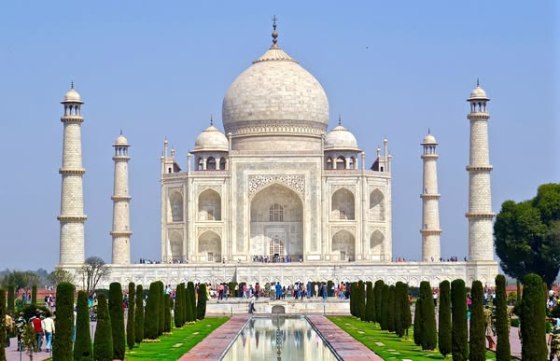
THE PLIGHT OF MUSLIMS IN INDIA: “Jayen toh jayen kahan”
The plight of Indian Muslims is marked by increasing nationalism and violence against them, despite their deep-rooted presence in India’s history and culture. They generate poetic, artistic, and intellectual contributions while facing hostility. Despite calls to leave, Indian Muslims affirm their belonging, underscoring that India is their home and identity.

Seeking Evolution in Religions:
Rituals, customs, and traditions often form the backbone of a religion’s identity. Yet, if we strip these away, what remains … More

Navigating Ideological Landscapes
The author expresses the complexity of their social, religious, and political beliefs, rejecting rigid labels like Left, Right, or Centrist. Emphasizing a personal philosophy of evolving rationalism, they prioritize empathy, fairness, and respect for human dignity, navigating ideologies with a balance of flexibility and context-driven reasoning.

Rethinking God: Beyond Ritualistic Beliefs
The exploration of God’s essence challenges conventional beliefs, revealing that many view God as a human-like persona, leading to superficial faith. This ritualistic approach stifles deeper understanding. Instead, embracing God as a dynamic, functional institution fosters a rational connection, moving beyond fear-driven rituals towards genuine spiritual growth and awareness.
Religions Need Freedom from Fanaticism Fanatic Hindu, fanatic Muslim, fanatic Sikh, fanatic Christian, fanatic Jew, fanatic Buddhist—labels like these are … More

THE STORY OF RAM, SITA AND DIWALI CELEBRATIONS
The Ramayan narrates the life of Lord Ram, his exile due to his stepmother’s scheming, and his eventual return to claim the throne of Ayodhya after defeating Ravan, who kidnapped his wife Sita. The story highlights themes of righteousness, duty, and the struggles between good and evil, culminating in celebrations symbolizing justice and virtue.
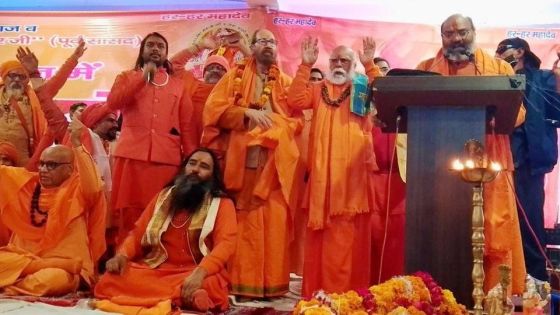
WHY DO PUNDITS AND PRIESTS, MONKS AND MULLAHS WEAR DIFFERENT THAN ORDINARY FOLKS:
The article by Promod Puri critiques the traditional attire of spiritual leaders, questioning the need for such elaborate garments. It suggests that these outfits serve as a means of marking identity rather than enhancing spiritual authority. The author shares a personal encounter with a cleanly dressed swami, highlighting that true enlightenment is rooted in knowledge, not clothing.

Right to Change Religious Vehicle, Dr. Ambedkar Did It
Religion, at its core, is just a vehicle. It is supposed to deliver the goods of spirituality, ethics, and morality … More

Treatment of Ego in Sikhism:
In Sikhism, the ego is seen not just as a flaw but as one of the five cardinal sins, known … More

Sant Kabir’s Unsung Role in Shaping the Modern World
The notion that the modern world evolved in the confines of Europe and started in the 17th to 20th centuries … More
The Dynamic Duo: Satnam Waheguru & the Power of Hukam
Satnam Waheguru is a powerful mantra representing the Truth and divine awe in Sikh spirituality. Guru Nanak’s wisdom emphasizes accepting the divine order and living a purposeful, peaceful life. By following this divine order, one fosters religiosity and harmony, bringing peace to oneself and the surrounding environment.
KARMA HINDUISM:
Hinduism also belongs to those who neither go to the temple regularly and ritualistically nor involve themselves in either meditation … More

Ek Onkar is the eternal ‘1’
Oh God, are you He, She or It; Him or Her; King or Queen, Father or Mother! God does not … More
Hindu Swastika Exhibits Tolerance, Fortune and Auspiciousness
Hindu Swastika Exhibits Tolerance, Fortune and Auspiciousness Despite being stigmatized as a Nazi emblem of anti-Semitism, hate and violence, Swastika, the … More

Understanding Satnam Waheguru: Nanak’s Message of Divine Order
Satnam Waheguru carries profound spiritual significance, symbolizing acceptance of universal truth and divine wonder. It signifies the journey towards truth and enlightenment, promoting moral and ethical principles. Nanak’s message of ‘Hukam razai chalna’ emphasizes following the divine order for peace and harmony within ourselves and our environment. This practical approach represents the dynamics of Satnam Waheguru.
ANTI-MUSLIM SPREAD IN CANADA
by Promod Puri It is wrong to assume anti-Muslim hatred in Canada only exists on the fringes of the far … More

All About Hinduism
by Promod Puri Why are there so many gods and goddesses in Hinduism? Why worship an idol? Is going to … More

The many stories of Diwali share a common theme of triumph of justice
Natasha Mikles, Texas State University As many Indian Americans celebrate the election of the first Black and South Asian woman, … More

Shastras In Hinduism
While traversing along with its ritual, religious and spiritual landscape, we discover on top of it quite a meaningful spectrum … More
RELIGION HAS BEEN THE MOTIVATING FORCE IN AMERICA’S CIVIL RIGHTS MOVEMENT
Even now, with very few exceptions, the American civil rights movement has never been led on a political platform.

NANAK DUKHIYA SABB SANSAR SO SUKHIYA JIS NAAM ADHAAR
The sufferings could be innocently or naively self-inflicted, from fellow beings, or other causes. Elements of nature and the so-called fate also play minor or significant roles to accompany man’s lifelong journey through calamity and disaster.
Guru Nanak’s Message of Divine Order
Hukam Razai Chalna, Nanak Likhyea Naal. Hukmae Andhar Sabh, Bahar Hukme Na Koe These are the two separate edicts from … More
Promod Puri’s Vision: Reforming Hinduism for Modern Society
Promod Puri’s book on Hinduism explores its historical evolution, philosophies, and modern challenges. He critically examines social customs and the treatment of marginalized groups, advocating for reform without adhering to traditional ideologies. Puri’s analytical interpretation enhances understanding and promotes equality, dignity, and justice, depicting his work as integral to Hindu reform.
Where Is God In The Midst Of Coronavirus
By Promod Puri Churches, temples, mosques, or Gurdwaras may not be much congregated these days due to the Coronavirus epidemic … More

Where is God in the Global Viral Pandemic?
Amid the global pandemic, places of worship are vacant, impacting the “business of religion.” While some seek divine intervention, others question the existence of God in the face of crisis. The rationality of seeking physical proof of God is challenged, calling for a comprehensive review of understanding. This thought-provoking issue prompts further discussion.
RELIGION HAS A GUIDING ROLE IN POLITICS
By Promod Puri Whereas rituals, customs, and traditions furnish symbolic and distinctive identity to religion, the pathways to divinity, paved … More

Blasphemy And Apostasy In Islam Are More Political Than Religious
Pakistani Islamists march to protest the Supreme Court lenient treatment of Asia Bibi, a Christian Pakistani woman accused of blasphemy, … More
What Does Goddess Kali’s Unusual And Scary Look Mean
In my understanding of Hinduism, there is more in its nature of study and deliberations than just religion. It is … More
Satnam Waheguru: Both A Prayer And Mantra
By Promod Puri “Satnam Waheguru,” two simple words of profound spiritual significance. A companion in solitude, Satnam Waheguru, where the … More
A HAPPY AND PEACEFUL 2020
In the spirit of exchanging New Year greetings, we wish peace and happiness for all humanity. Human beings, animals, plants, … More
Understanding Satsang And Its Virtues
By Promod Puri In Hindu and Sikh religious activities, Satsang is a popular religious tradition. It is group participation that … More
What Next After Babri Masjid-Ram Janmabhoomi Verdict
Neither Hinduism is enriched, nor Islam is poor with the Supreme Court verdict over Babri Masjid-Ram Janmabhoomi case. Though the … More

Why Sikhs wear a turban and what it means to practice the faith
People participate in a candlelight vigil near the White House to protest violence against Sikhs in 2012. AP Photo/Susan Walsh … More
WHO KNOWS
Human beings are “the most beautiful, intelligent and favorite creation of God.” Perhaps cats, dogs, donkeys, etc., and that bird … More
ORIGIN OF RELIGION
Essentially, religion is a code of conduct for a civil society. It all started from here. With society’s progression, the … More
NANAK DUKHIYA SABB SANSAR SO SUKHIYA JIS NAAM ADHAAR
NANAK DUKHIYA SABB SANSAR SO SUKHIYA JIS NAAM ADHAAR (Loosely translated: Nanak says life for everybody is suffering, blissful is … More
Why giant statues of Hindu gods, leaders making Minorities nervous
Indulata Prasad, Arizona State University Statues – big statues, the largest in the world – are being built all across … More
Kartarpur Corridor Reflects Teachings Of Guru Nanak:
By Promod Puri It is hailed as a “Corridor of Peace” between India and Pakistan. The Kartarpur Corridor is a … More

Understanding Guru Gobind Singh’s Declaration for Sikhs
Originally posted on Progressive Hindu Dialogue:
? The 10th Sikh Guru, Guru Gobind Singh, close to his death, sealed the continuity of…
Beyond The Confines Of Atheism And Theism
By Promod Puri When atheists reject the concept or existence of God, their conclusion is based on limited perception. The … More
CONTROLLING FAKE HINDU GURUS
Unlike some other religious orders, Hinduism does not have a centralized controlling authority to guide or to safeguard its values. … More
WHY INDIA MUST KNOW ABOUT VAISAKHI….
Awake India, awake to his vision. Leave those caste barriers, acquire knowledge, be strong in body and be a Khalsa … More
Besides Humans Everything Else Has Consciousness Too
By Promod Puri What is the difference between you, me, and a spoon, a table, a stone, or any object … More
Temple Hinduism, Meditation And Karma
By Promod Puri “Temple-Hinduism” is an expression introduced by Vasudha Narayanan, Professor of Religion, University of Florida. The terminology is … More

Understanding God: Beyond Rituals and Fear
The concept of God as a controlling authority in rituals and traditions creates fear, hindering true understanding. The study of God involves exploring both His celestial and spiritual nature, linking theology and science to comprehend His existence. Recognizing God as both an entity and an active force emphasizes the importance of moral actions in experiencing His presence.

Seeking Evolution In Religions
Rituals, customs, and traditions provide bulk and mostly false identity to a religion. If these are detached from all the … More
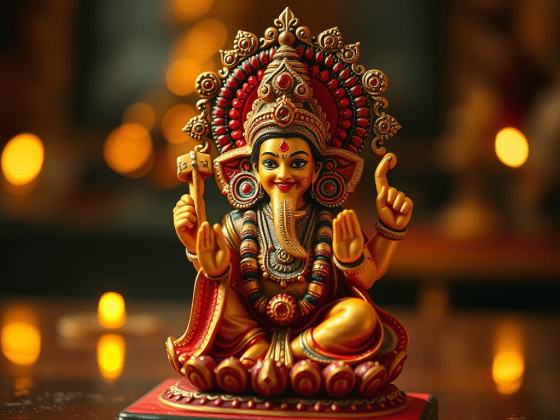
The Significance of Idol Worship in Hinduism
The worship of murtis in Hinduism represents a deep connection between devotees and the Divine, facilitating a one-on-one relationship. Murtis serve as symbols that help focus the mind for worship, offering both psychological support and spiritual reminders. They also enrich Hindu iconology and reflect the secular nature of Hindu art through diverse representations, notably of Lord Ganesh.
Diwali Mubarak Message To Canada’s PM
Dear Hon. Prime Minister Trudeau: In celebration of the popular Indian festival of lights, I also wish you, Diwali Mubarak. … More

Rakshabandan’ – the festival that celebrates the brother-sister bond
A sister tying the protective thread. Vikram Verma, CC BY-ND Mathew Schmalz, College of the Holy Cross This year, Monday, … More
EASTER AND VAISAKHI: FESTIVALS OF NEW BEGINNING
By Promod Puri Easter is a celebration of resurrection of Jesus. It is on this day, Christians believe in the … More
RELIGION HAS GUIDING ROLE IN POLITICS
By Promod Puri Whereas rituals, customs and traditions furnish symbolic and distinctive identity to a religion, the pathways to divinity … More
Building Divine Residency More Relevant Than Knowing God He or She
By Promod Puri If God or the Supreme Being is He, She or It; residing in heaven, up there in … More
MANUSMIRITI AND WOMEN
(From the book Hinduism Beyond Rituals, Customs And Traditions by Promod Puri) Since bias knows no boundaries, Manusmriti not only … More

The Significance of Om in Hinduism and the Juxtaposition with Trump
The Republican Hindu Coalition organized a fundraising event for Donald Trump, calling themselves “Hindus for Trump” and featuring the sacred symbol “om” on the event poster. However, the juxtaposition of Trump and this revered Hindu symbol raises questions, as the meaning of “om” is complex and varied within Hindu traditions, representing diverse voices and beliefs.

TOLERANCE OR ACCEPTANCE
Jagessar Das M. D. President Kabir Association of Canada People all over the world talk about tolerance, such as racial … More
From The Pen Of Baba Bulleh Shah
The content emphasizes the importance of introspection and self-awareness. It critiques the tendency to seek knowledge externally, attend religious places, and confront external evils while neglecting personal reflection and the battles within oneself, highlighting the wisdom of recognizing and addressing one’s inner self, as articulated by Bulleh Shah.

Virasat-E-Khalsa: A Marvel of Sikh Heritage
The Virasat-E-Khalsa, also known as Khalsa Heritage Complex or “Ajuba,” is a marvel near Chandigarh. This museum offers an immersive learning experience on Sikh history, with impressive architecture and technology. Designed by Moshe Safdie, the expansive museum aims to illuminate the vision of Sikh Gurus. It stands near the historic Anandpur Sahib Gurdwara.
“NANAK DUKHIYA SABB SANSAR SO SUKHIYA JIS NAAM ADHAAR”
A universal truth Agony, misery, pains or sufferings, both physical and emotional, and in all degrees of intensity, are the … More
“Koi bole ram ram; koi khudae….
One of the spiritual gems of Guru Nanak Devji, which portrays the essence of all religions: “Koi bole ram ram; … More

The Origins of Hinduism: A Unique Evolution
Hinduism likely originated around 7000 BC in the Indus Valley Civilization, which peaked around 2000 BC. Its development lacked a single founder, allowing the religion to evolve freely and adapt over time. This absence of a specific initiator has provided Hinduism with a distinctive advantage in its growth and evolution.
Rituals
The pathways to divinity are infused with words of morality and ethics, principles and noble deeds. Rituals facilitate the walk … More
Significance of Om
It is indeed a subject of astronomical acceptance that from the very sound frequencies of Om the building blocks of … More
Singer Jagjit Singh
By Promod Puri In his 40 years of entertaining and alluring singing career, late Jagjit Singh’s soft and “silky” voice … More
GURU MANEYO GRANTH
Guru Gobind Singh, the 10th Sikh Guru, proclaimed the Adi Granth as the eternal Guru, emphasizing personal study and contemplation of its teachings. His hymn encourages Sikhs to seek wisdom in its words, stating that those who genuinely seek will find divine connection. He advocates for reasoned understanding over blind faith in following the scriptures.
Seeking Divine Spirit
ॐ भूर्भुवस्व: | तत्सवितुर्वरेण्यम् | भर्गो देवस्य धीमहि | धियो यो न: प्रचोदयात् Aum bhur bhuvah swah, tat savitur varenvam. … More

Composition Of God In Hinduism
The content explores the multifaceted perceptions of God and the role of human thought in understanding divine involvement in life. It emphasizes the importance of promoting virtuous thoughts to create good karma, underpinning a disciplined approach to spirituality. Notably, the Gayatri Mantra is highlighted as a tool for enlightenment and guidance.
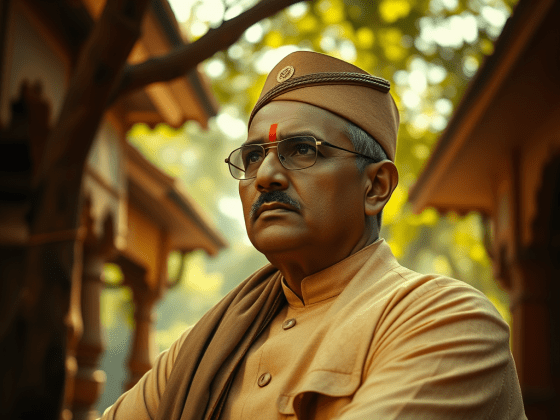
Understanding Hindutva: Its Roots and Ideology
Hindutva, introduced by Vinayak Damodar Savarkar in 1923, embodies a nationalist ideology emerging from Hinduism, emphasizing a collective cultural identity. While attempting to secularize and include all Indian-born communities, it excludes foreign religions. Savarkar defines it as a broader cultural concept distinguished from the religious nuances of Hinduism, though it risks undermining India’s pluralism.
Culture Supersedes Religion in Establishing National Identity
By Promod Puri Culture is a distinctive feature of one group of people comprising of several aspects. One of them … More

Hinduism and Vegetarian Diet
By Arran Stephens The overwhelming majority of the world’s Hindus live in India, which has the largest vegetarian population on … More
Message of Universality in Hindu Mantra
By Promod Puri OM PURNAM MANTRA “Om purnam adah purnam idam purnat purnam udachyate purnasya purnam adaya purnam evavashishyate”. An … More
Quantum Theory And Om
Ever wonder why we chant “om” before our yoga practice or prayer? Check out this interesting take on how Quantum … More
SIGNIFICANCE OF IDOL WORSHIPPING IN HINDUISM
Image formation is a very natural trait in human psychology. In our conscious state all our feelings, ideas and impulses … More
Bad Rituals Breed Fanaticism
One major drawback instituted in ambiguous rituals is the fear factor. And in absurdity, some rituals promise to work like … More
Hinduism and Lord Ganesh
The art community’s fascination for Lord Ganesh is due to His unique appearance as a clearly recognizable elephant tusk-hooded portrayal. … More
 Promod Puri.com