
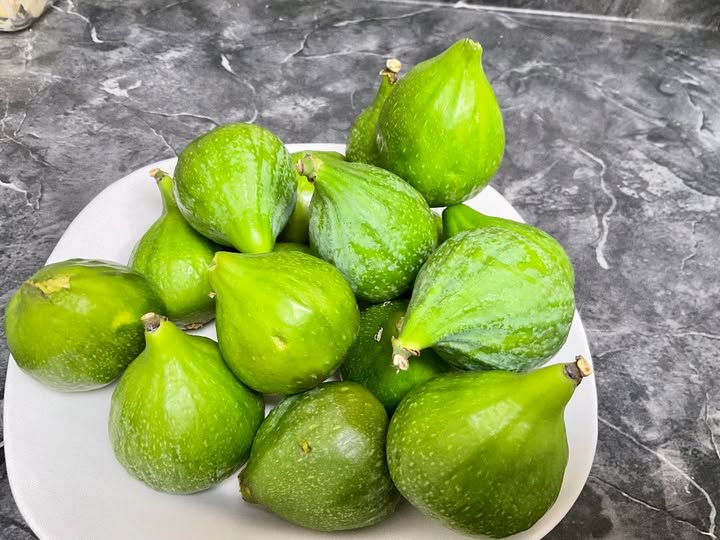
The other morning, during my early walk, I came across a sidewalk tree laden with ripe figs. I couldn’t resist picking a few.
Their soft, deep-purple flesh was wonderfully sweet. One taste led to another, and before long I was reaching up on my tiptoes to pluck the fruit from the higher branches. Soon, every pocket I had was bulging with figs.
The real delight wasn’t just the abundance. These figs were free, freshly picked, and grown without a trace of chemicals.
As I walked home with my unexpected harvest, an old idea resurfaced: why don’t we line our city sidewalks with fruit trees instead of the ornamental varieties we typically plant?
Imagine streets that not only offered shade and beauty but also nourished the people who walked beneath them.
Little did I know that what once seemed eccentric is now part of a growing global movement: edible parks, gardens, and even sidewalks.
During my college days in Chandigarh, the City Beautiful, I often pedalled through its well-planned streets and leafy boulevards.
Amid the blooming Gulmohars and decorative hedges, a curious thought sprouted in my mind: Why not plant mango or other fruit trees alongside the flowering ones?
The idea, though juicy in imagination, was met with laughter or outright rejection by my friends. But it stuck with me, nestled in the odd corners of my reasoning.
Take New Zealand, for instance, where several cities are turning sidewalks, parks, and walkways into community orchards. Local councils are planting fruit-bearing trees- apples, plums, citrus.
In New York City, the High Line Park boasts a 4,000-square-foot vegetable garden that yields over 500 pounds of produce annually.
Meanwhile, in Nairobi’s Kibera slum, a former dumpsite has been transformed into an edible park, complete with gardens and a bustling market that sells homegrown vegetables.
Even in Vancouver, we’re seeing a suburban shift. Front lawns once obsessed with green perfection are now sprouting tomatoes, herbs, and grapevines. Abandoned lots are turning into thriving community gardens.
Sidewalks have the space and sun. Why limit them to ornamental trees when they could host fruit-bearing ones just as lovely?
Why stop at cherry blossoms when you can have actual cherries too?
Imagine almonds instead of only maples, pears replacing poplars, and blueberry shrubs mingling with bushes of beauty.
Edible sidewalks and parks don’t just green our cities; they produce tons and tons of free fresh fruit.
The fig freebie I got otherwise costs $2.99 per pound in most produce stores.
-Promod Puri


