
By Promod Puri
Combating religious injustices is often far more difficult than addressing social, economic, or political problems. Beliefs rooted in faith and tradition tend to resist change, especially when they have endured for centuries.
Armed with extraordinary intellect, profound scholarship, and a rational understanding of Hindu philosophy and scriptures, Dr. B.R. Ambedkar challenged the orthodox Hindu establishment over its treatment of Dalits and those then labelled as “Untouchables.” He exposed the contradictions between the lofty spiritual ideals of the religion and the harsh realities of caste-based discrimination.
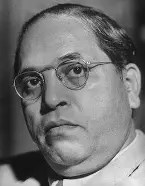
More importantly, Ambedkar awakened the dormant consciousness of millions who had long resigned themselves to their suffering as an unchangeable fate. He instilled in them a sense of dignity, self-respect, and the conviction that equality was a birthright rather than a privilege.
Unlike the warriors of the Mahabharata, Ambedkar fought his battle not with weapons but with the power of ideas, reason, constitutional principles, and peaceful social reform. His struggle demonstrated that enduring change could be achieved through education, organization, and democratic action.
With India’s Independence, Ambedkar became the chief architect of the nation’s Constitution and served as its first Law Minister. Under the Constitution, untouchability was abolished and declared a punishable offence, marking one of the most revolutionary social transformations in India’s history. The legal authority previously claimed by caste-based customs and discriminatory interpretations of texts such as the Manusmriti could no longer override the constitutional guarantees of equality, liberty, and human dignity.
Ambedkar became an inspiration for progressive Hindus, a beacon for rationalists and social reformers, a steadfast advocate of women’s rights, and, above all, a symbol of hope for those who had endured centuries of humiliation and exclusion. For millions, he represented the possibility of reclaiming their humanity and rightful place in society.
Whether one views him as a reformer within the Hindu tradition or as one who ultimately chose a different spiritual path, there is little doubt that Ambedkar profoundly transformed the discourse on caste, equality, and social justice. In doing so, he compelled Hindu society to confront its deepest inequities and helped set it on a path toward reform.
(Excerpts from my book Hinduism Beyond Rituals, Customs and Traditions)


