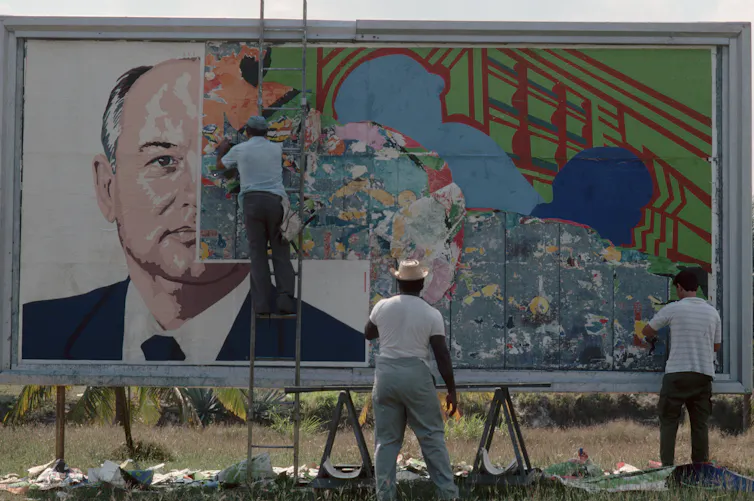
‘We are waiting for the Americans to save us’ – in crisis, Cubans have given up on reform from within
Joseph J. Gonzalez, Appalachian State University
When I first visited Cuba, the island was recovering from a severe economic crisis. It was 1996, and the collapse of the Soviet Union had ushered in a prolonged period of deprivation and hardship.
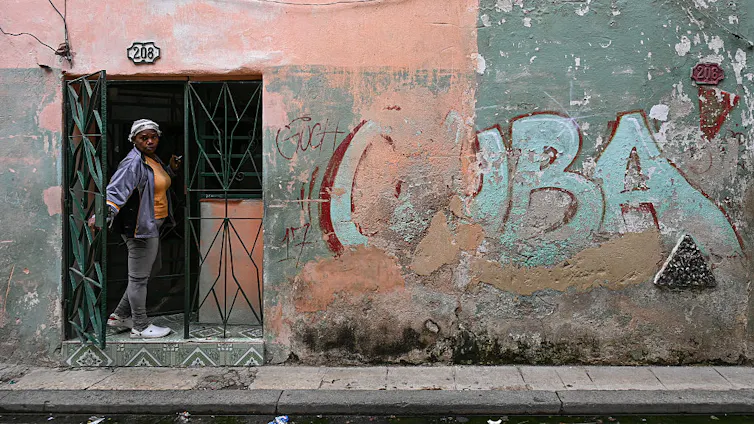
On my latest visit, in early June, I encountered yet another crisis, a slow-motion humanitarian disaster.
The island is coping with severe shortages of fuel and electricity, among other essentials, due in large part to an oil blockade that President Donald Trump imposed in February.
To a degree, the current emergency mirrors the “Special Period” of 35 years ago. After the end of Soviet subsidies, Cuba plunged into darkness and hunger. “We had almost no electricity and little food,” one Cuban friend later told me. “If the government could not provide it, we did not have it, and the government had no money.”
Yet the current crisis is different in many respects. For one, there are more goods available. In Havana, at least, restaurants are open and stores are well stocked with foodstuffs.
There is also less hope and more despair.
The Cubans I spoke to – on the street, in shops and cafés, and in their homes – told me they no longer believe their government cares about their suffering. Instead, they are placing their hopes in the United States generally and the Trump administration specifically.
“We are waiting for the Americans to save us,” said one of the Cubans I interviewed. “The ones in charge [of the Cuban government] worry about themselves, not about us.”
Such views were unheard of 30 years ago. Now, they are commonplace on the streets of Havana.