
If the Bharatiya Janata Party (BJP) is responsible for the structural erosion of India’s democracy under the fervor of its Hindutva agenda, the Congress Party, too, has its share of blemishes.
Under Indira Gandhi’s leadership, democracy took a severe hit when she declared Emergency in 1975, effectively suspending civil liberties overnight. However, in the subsequent national election, the Congress was decisively voted out—proof that India’s democratic framework still had the strength to course-correct. Crucially, the Election Commission remained untouched, ensuring a free and fair electoral process.
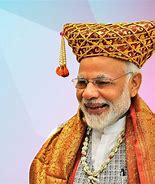
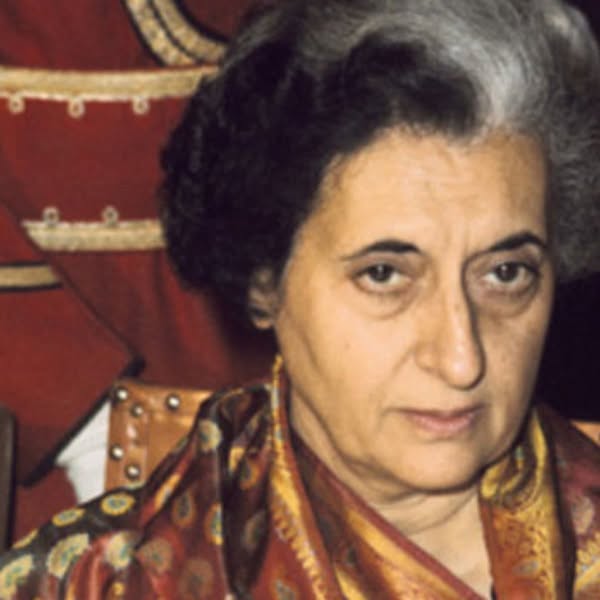
That resilience, however, is now being deliberately chipped away. Unlike the abrupt imposition of Emergency, today’s damage is insidious, embedded within institutions that once functioned independently. The BJP has been steadily reshaping these pillars of democracy to align with its Hindutva vision—an agenda that ironically contradicts Hinduism itself.
Hinduism thrives in its vast, diverse, and inclusive traditions, where multiple philosophies coexist. Hindutva, in contrast, narrows this identity into a rigid, exclusionary ideology. It also undermines the very essence of India’s democratic ethos, where national institutions are meant to operate impartially—free from political or religious bias.
Yet, when these institutions are manipulated, weakened, or outright dismantled to serve the ruling party’s power structure, the damage becomes far deeper than a single Emergency. It alters the DNA of democracy itself.
This is where the BJP’s legacy, compared to the Congress, is being defined—not by a temporary crisis, but by a long-term institutional transformation that could reshape India’s democracy for generations to come.
— By Promod Puri


