Amid the global pandemic, places of worship are vacant, impacting the “business of religion.” While some seek divine intervention, others question the existence of God in the face of crisis. The rationality of seeking physical proof of God is challenged, calling for a comprehensive review of understanding. This thought-provoking issue prompts further discussion.

Tag: rituals
Understanding God: Beyond Rituals and Fear
The concept of God as a controlling authority in rituals and traditions creates fear, hindering true understanding. The study of God involves exploring both His celestial and spiritual nature, linking theology and science to comprehend His existence. Recognizing God as both an entity and an active force emphasizes the importance of moral actions in experiencing His presence.
The Significance of Idol Worship in Hinduism
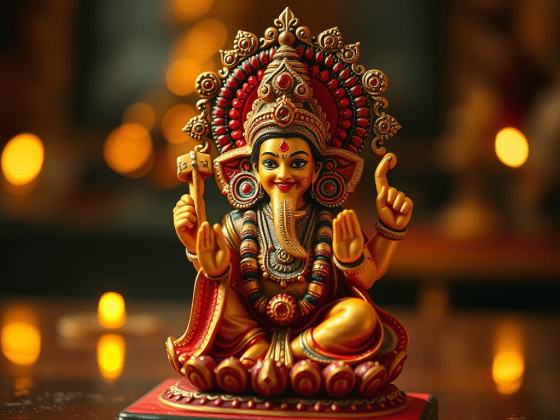
The worship of murtis in Hinduism represents a deep connection between devotees and the Divine, facilitating a one-on-one relationship. Murtis serve as symbols that help focus the mind for worship, offering both psychological support and spiritual reminders. They also enrich Hindu iconology and reflect the secular nature of Hindu art through diverse representations, notably of Lord Ganesh.
From The Pen Of Baba Bulleh Shah
The content emphasizes the importance of introspection and self-awareness. It critiques the tendency to seek knowledge externally, attend religious places, and confront external evils while neglecting personal reflection and the battles within oneself, highlighting the wisdom of recognizing and addressing one’s inner self, as articulated by Bulleh Shah.
The Origins of Hinduism: A Unique Evolution
Hinduism likely originated around 7000 BC in the Indus Valley Civilization, which peaked around 2000 BC. Its development lacked a single founder, allowing the religion to evolve freely and adapt over time. This absence of a specific initiator has provided Hinduism with a distinctive advantage in its growth and evolution.
Seeking Divine Spirit
ॐ भूर्भुवस्व: | तत्सवितुर्वरेण्यम् | भर्गो देवस्य धीमहि | धियो यो न: प्रचोदयात् Aum bhur bhuvah swah, tat savitur varenvam. … More
Composition Of God In Hinduism
The content explores the multifaceted perceptions of God and the role of human thought in understanding divine involvement in life. It emphasizes the importance of promoting virtuous thoughts to create good karma, underpinning a disciplined approach to spirituality. Notably, the Gayatri Mantra is highlighted as a tool for enlightenment and guidance.
Understanding Hindutva: Its Roots and Ideology
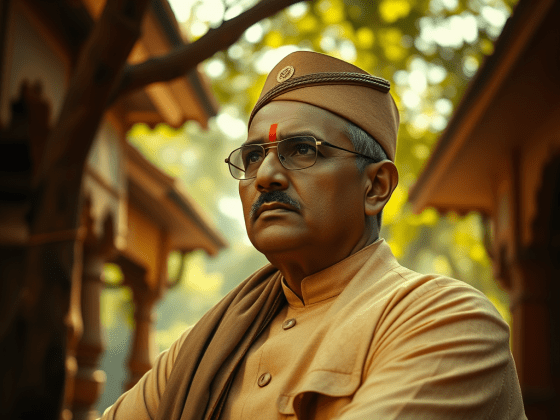
Hindutva, introduced by Vinayak Damodar Savarkar in 1923, embodies a nationalist ideology emerging from Hinduism, emphasizing a collective cultural identity. While attempting to secularize and include all Indian-born communities, it excludes foreign religions. Savarkar defines it as a broader cultural concept distinguished from the religious nuances of Hinduism, though it risks undermining India’s pluralism.
Culture Supersedes Religion in Establishing National Identity
By Promod Puri Culture is a distinctive feature of one group of people comprising of several aspects. One of them … More
Hinduism and Vegetarian Diet
By Arran Stephens The overwhelming majority of the world’s Hindus live in India, which has the largest vegetarian population on … More
Bad Rituals Breed Fanaticism
One major drawback instituted in ambiguous rituals is the fear factor. And in absurdity, some rituals promise to work like … More