
The day Gandhi was killed, it seems his message of non-violence was buried with him. When he was alive, the world embraced his ideals—truth, non-violence, the fight against slavery and oppression, and the call for communal harmony. But as soon as the Mahatma exited the stage, so did his relevance. His once-rallying cries are now overlooked if not outright renounced.
In today’s world, Gandhism is seen as impractical, retreating to the dusty corners of academia. His ideology, once the backbone of revolutions, now resides in lecture halls and intellectual discussions. His name? It’s still everywhere: in statues, on city streets, in history books, and even on currency notes. But what about his legacy?
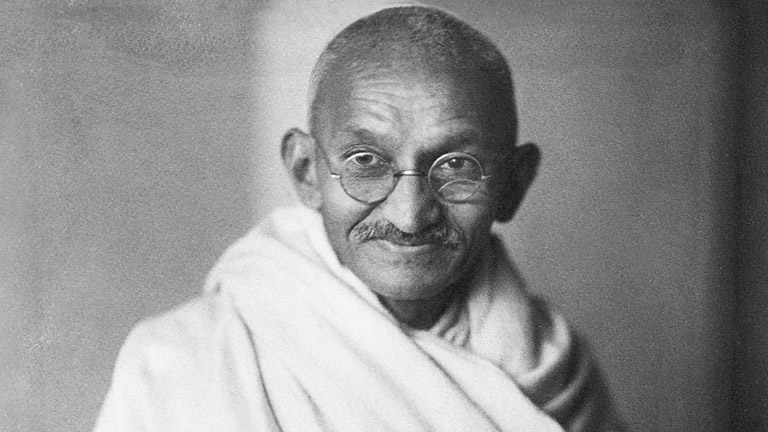
Gandhi’s nonviolence is a relic, mostly trotted out for ceremonial gestures or as a peace-touting sound bite.
Take the Russia-Ukraine war, the Israel-Hamas war, and the battles in Sudan, for instance. Would Gandhi’s approach find any takers? Not a chance. Not one country, institution, or influential figure.
Barack Obama, once vocal about his admiration for Gandhi, now prefers a deafening silence. For global leaders, Gandhi’s ideas of peace may earn polite nods, but when it comes to resolving today’s conflicts, he is often deemed irrelevant—an idea relegated to symbolic speeches and commemorative plaques.
And what about in India, his homeland? Gandhi has become more of a brand, a token stop for foreign dignitaries paying respects at his resting place, Raj Ghat. His image is iconic, but his influence? Virtually non-existent.
What is India’s current political climate? Let’s just say Gandhi’s ideas are barely tolerated, if not outright disdained. His place in history may soon follow the Mughal chapters—squeezed out of textbooks and reduced to footnotes.
It seems that Gandhi has been turned into a symbol, stripped of substance. The man who once moved empires with his nonviolence now draws crowds only to his statue or memorial—not to his ideas.
-Promod Puri

 Promod Puri.com