
The Sufi poet and philosopher Bulleh Shah (1680–1757) once said:
“Parh parh alim fazil hoya, kadey apnay aap nun parhya he nai.”
Translation: A person becomes a scholar through endless reading, yet may never have read their own self.
Bulleh Shah’s words cut deep, like a satirical jab at scholars and learned individuals. Yet, beneath the wit lies a profound and universal truth: we are so busy navigating the world outside that we rarely venture into the world within.
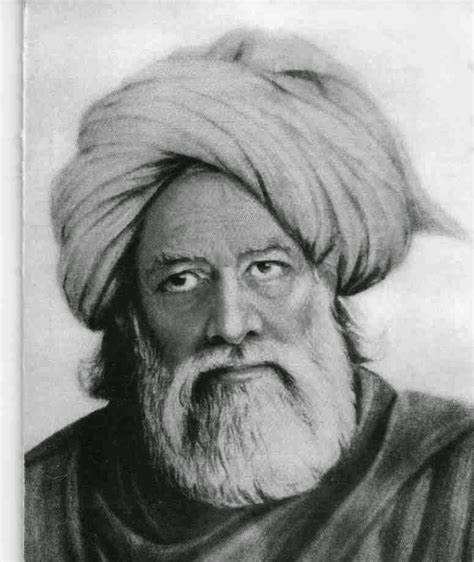
This timeless observation resonates beyond scholars—it’s a message for anyone consumed by analyzing, judging, or merely entertaining themselves with the lives of others. Bulleh Shah prescribes a simple but transformative remedy: read yourself.
The Art of Reading the Self
Reading the self involves introspection—looking inward to understand our thoughts, emotions, beliefs, and behaviours. What we know about ourselves is often filtered through how others perceive us. Rarely do we sit down for an honest conversation with our inner self.
Introspection is the key to self-awareness, a tool to dissect the layers of our personality. Are we humble, compassionate, and sincere? Or are we drowning in pride, ego, and unrealistic notions? By exploring our inner psyche, we uncover both the light and the shadows within us.
This self-study acts like a mental mirror, reflecting the habits and traits that shape our individuality. Philosopher Plato emphasized this practice when he said, “Why should we not calmly and patiently review our thoughts and thoroughly examine what these appearances in us are?”
A Lifelong Curriculum
Reading the self is not a one-time exercise—it’s a lifelong curriculum. It requires periodic check-ups, much like a mental health assessment, to ensure we are on a path of growth. Introspection allows us to identify areas for improvement, make corrections, and evolve as individuals.
When we delve into this internal dialogue, we move beyond external judgments to authentically understand who we are. This awareness helps us align our actions with values like sincerity, humility, and compassion, fostering personal and collective growth.
A Better Self for a Better World
Ultimately, Bulleh Shah’s wisdom carries a broader implication. A world filled with individuals committed to self-reflection and self-improvement is bound to be kinder, more understanding, and more peaceful. When we take the time to read ourselves, we not only become better human beings—we contribute to creating a better world.
So, does introspection make a difference? Bulleh Shah would answer with an emphatic yes.

 Promod Puri.com