
by Promod Puri
The Golden Era of Bollywood music, spanning from the 1950s to the 1960s, gifted us unforgettable melodies that still echo through the North Indian cultural landscape. Music directors like Naushad Ali, S.D. Burman, Shankar-Jaikishan, C. Ramchandra, Roshan, and Khayyam shaped the soundscape of Hindi cinema, each leaving a legacy. Yet, among these giants stood one maverick: O.P. Nayyar, a composer with a musical style unlike any other.
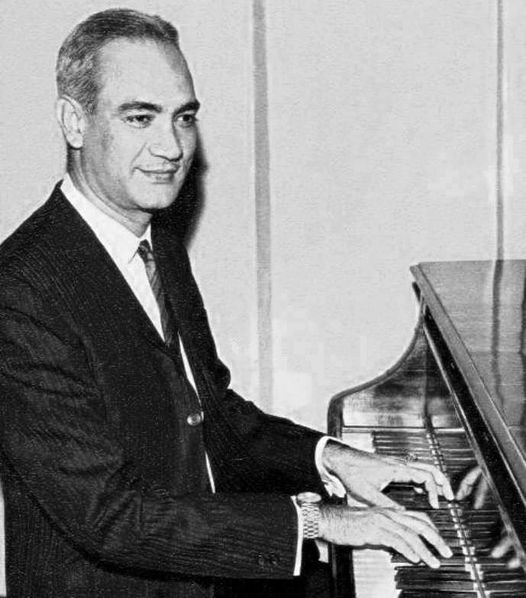
While many in the industry fused classical Indian ragas with filmi music, Nayyar dared to march to his own beat—often quite literally. His compositions were an eclectic mix of Western instruments, lively rhythms, and Indian folk sounds, creating an unmistakable signature. Nayyar’s music was not merely tunes; it was mood, energy, and life itself.
From Medicine to Music: A Relentless Pursuit
Coming from a family of doctors, Nayyar had no intention of pursuing the stethoscope-clad footsteps of his brothers. Despite parental opposition, he chose the path of music, driven by sheer passion and determination. His gamble paid off immediately when his first film, Aasman (1952), set the stage for a career that would span five decades, with 72 films to his credit.
Defying Conventions and Creating His Own Sound
Nayyar wasn’t just a composer; he was a trendsetter. While other music directors relied heavily on Lata Mangeshkar, the queen of playback singing, Nayyar boldly chose to bypass her, proving that brilliance could shine without the Nightingale’s voice. Instead, he formed a winning partnership with her sister, Asha Bhosle. Together, they delivered countless hits, crafting a distinct identity that emphasized rhythm, melody, and infectious energy.
He peppered his compositions with instruments like the harmonium, bongos, and brass, infusing them with vibrant beats that stood apart from the softer, more classical compositions of his peers. His goal was simple: music should entertain. And it did—each of his songs struck an instant chord with listeners, becoming an anthem the moment it hit the airwaves.
Tunes That Never Age: The Evergreen Hits
O.P. Nayyar’s songs continue to dominate playlists at weddings, parties, and musical functions. His melodies, alive with joy and rhythm, have aged like fine wine, only growing more popular with time. Among his many evergreen hits are:
Leke Pehla Pehla Pyar
Ude Jab Jab Zulfen Teri
Mera Naam Chin Chin Choo
Kabhi Aar Kabhi Paar
Yeh Desh Hai Veer Jawano Ka
Tumsa Nahin Dekha
Aaiye Meherbaan
Aye Dil Hai Mushkil Jeena Yahan
These songs, brimming with catchy beats and lyrical simplicity, remain unforgettable, the kind of music that still compels people to tap their feet and sing along.
Rhythms from the Hooves: The Tonga Beats
One of Nayyar’s most inventive ideas was inspired by the rhythm of horse carriages or tongas. He captured the beat of galloping hooves and seamlessly wove it into his compositions. His “tonga songs” became instant hits, injecting a rustic charm into Bollywood music. A few of his iconic tonga tracks include:
Zara Haule Haule Chalo Mere Saajna (Sawan Ki Ghata)
Mang Ke Saath Tumhara (Naya Daur)
Piya Piya Piya, Mera Jiya Pukare (Baap Re Baap)
The beats evoke an imagery of carefree rides, adding a distinct charm to these songs, which remain beloved to this day.
Personal Favourites: Western Meets Indian Soul
Two of Nayyar’s compositions have a special place in my heart. They showcase his genius in blending Western instrumentation with Hindustani musical sensibilities.
Jaiye Aap Kahan Jayenge (Mere Sanam)
Pyar Par Bas To Nahin (Sone Ki Chidiya)
These gems exemplify his ability to strike a delicate balance between peppy rhythm and poetic emotion, delivering music that feels both timeless and contemporary.
A Generous Soul in His Twilight Years
In his later years, Nayyar channelled his success into acts of kindness. He quietly supported the less fortunate, especially the blind vendors on Mumbai’s local trains. Inviting them to his home, he would ensure each left with six months’ worth of rations, including essentials like tea and biscuits. Acts of such generosity reveal the humane side of the genius who enriched countless lives with his music.
A Lasting Legacy
Omkar Prasad Nayyar was born on January 16, 1926, in Lahore and passed away on January 28, 2007, in Mumbai. His life was one of defiance, innovation, and relentless creativity. In 2013, the Government of India honoured his legacy by issuing a postal stamp in his name—a small yet fitting tribute to a man whose melodies remain etched in the hearts of millions.
O.P. Nayyar’s music isn’t just a relic of the past; it lives on in the beats of every festive dance floor and the nostalgia-filled evenings of Bollywood fans worldwide. With every chord, every rhythm, and every song, Nayyar’s genius continues to echo—reminding us that music, when crafted with love and passion, knows no bounds.

 Promod Puri.com