
In Sikhism, the ego is seen not just as a flaw but as one of the five cardinal sins, known as “Ahankar” in Punjabi.
Alongside lust (Kam), anger (Krodh), greed (Lobh), and attachment (Moh), ego is a significant hurdle on the spiritual path.
The Sikh scripture, Sri Guru Granth Sahib, puts it bluntly: “When there is ego, there is no God; when there is God, there is no ego.”
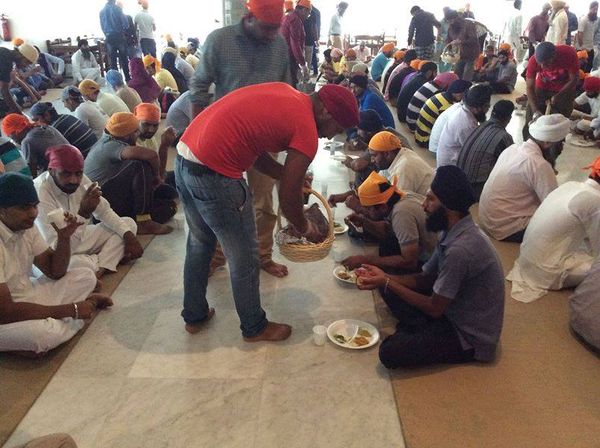
To counteract the grip of ego, Sikhism promotes “Nimrata,” which means humility. This humility isn’t just a lofty ideal—it’s a practical experience developed through “Sewa,” or selfless service.
Take, for example, the tradition of langar, the communal meal served in every Gurudwara. Volunteers cook, serve, and clean up with no expectation of reward, embodying Sewa.
The act of sitting on the floor and sharing a meal with people from all walks of life—regardless of caste, social status, or wealth—is a profound practice of humility.
In these simple acts of service and equality, the ego starts to dissolve, making space for the divine within.

 Promod Puri.com