The Significance of Idol Worship in Hinduism

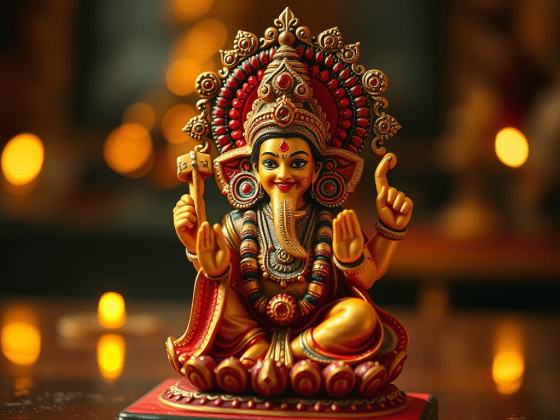
The worship of murtis in Hinduism represents a deep connection between devotees and the Divine, facilitating a one-on-one relationship. Murtis serve as symbols that help focus the mind for worship, offering both psychological support and spiritual reminders. They also enrich Hindu iconology and reflect the secular nature of Hindu art through diverse representations, notably of Lord Ganesh.
Understanding Hindutva: Its Roots and Ideology

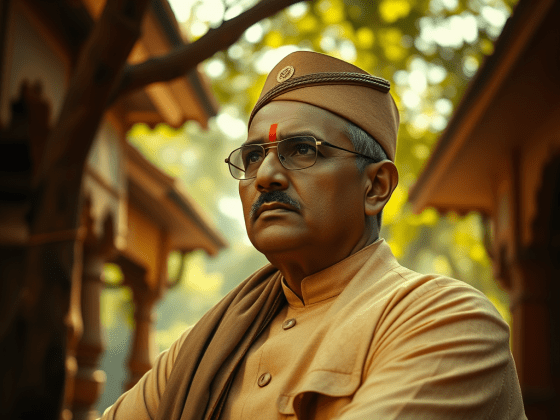
Hindutva, introduced by Vinayak Damodar Savarkar in 1923, embodies a nationalist ideology emerging from Hinduism, emphasizing a collective cultural identity. While attempting to secularize and include all Indian-born communities, it excludes foreign religions. Savarkar defines it as a broader cultural concept distinguished from the religious nuances of Hinduism, though it risks undermining India’s pluralism.