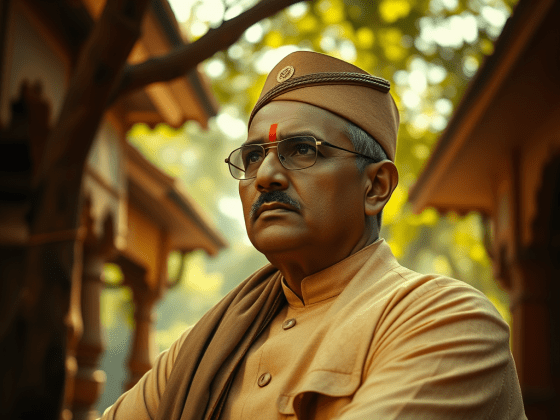
Surya Devta, the Sun God, symbolizes divine visibility in Hinduism, offering light without barriers. This excerpt from “Hinduism Beyond Rituals, Customs and Traditions” delves into the Sun’s spiritual significance in Vedic thought, emphasizing light and energy as metaphysical guides to truth and knowledge in the universe.

Author: Kapil Puri
BESIDES “THANKS” AND PRAISING, COMPLAINING TO GOD IS DEVOTION ALSO
The post reflects on the suffering caused by natural disasters and wars, highlighting the anguish experienced by innocent lives. It questions the nature of prayer and worship, advocating for the inclusion of lamentation and honest expressions of grief in one’s relationship with God, suggesting that questioning and complaining may also signify faith.
HAPPY NATIONS OF THE WORLD
The World Happiness Report 2025 reveals Finland as the happiest country for the eighth consecutive year, followed by Denmark, Iceland, and Sweden in the top four. Afghanistan ranks lowest at 147th, while India improves to 118th. Factors influencing happiness include GDP, social support, and freedom, emphasizing that happiness transcends financial wealth.
The Hidden Costs of Fast Fashion: Environmental Impact Revealed
The traditional essentials of “roti, kapprda, aur makaan” have transformed clothing from necessity to indulgence. The fast fashion industry, worth $100 billion in 2022, contributes to overconsumption and environmental damage. As production rises, sustainable choices become vital. Opting for timeless pieces rather than fleeting trends can mitigate fashion’s ecological impact.
Discover Kohlrabi: The Nutritional Powerhouse
Kohlrabi, or gundd-gobi and karam saag, is a nutritious vegetable often overlooked. Both its bulb and leaves are delicious when cooked together, traditionally with mustard oil. Enjoyed with rice using fingers, kohlrabi symbolizes a connection to culinary heritage and embodies the simple joys of home-cooked meals.
Finding the True Self in Authenticity
The concept of authenticity extends beyond mere culinary labels to probe the essence of individual identity. A crisis of inauthenticity challenges us as societal norms shape our identities into unrecognizable forms. Reclaiming authenticity requires introspection and courage, aligning actions with true values, and embracing vulnerability—a gradual journey towards self-truth.
The Rise of the Casteless in Polarized Politics
The political landscape is sharply divided between Leftists and Rightists, with extremists from both sides fostering a climate of fanaticism. The Casteless, those unaffiliated with either faction, often bear the brunt of this polarization. They seek to combat the extremes and preserve balance and reason, standing against destructive ideologies.
The Power of Appreciation in Daily Life
The author highlights the importance of appreciation in our lives, noting its ability to uplift spirits and strengthen relationships. Genuine acknowledgment, whether big or small, fosters positivity and well-being by triggering feel-good chemicals in the brain. He encourages practicing gratitude daily and recognizing our own achievements as essential self-care.
The Evolution of Reading: From Books to Life
In recent years, the way we consume information has transformed significantly, with the internet providing speed and convenience that outpace traditional mediums like books and magazines. Reading encompasses not just printed words but also self-reflection and life interpretation. The interplay of reading and writing fosters deeper understanding and connection with ourselves and the world.
THE STORY OF RAM, SITA AND DIWALI CELEBRATIONS
The Ramayan narrates the life of Lord Ram, his exile due to his stepmother’s scheming, and his eventual return to claim the throne of Ayodhya after defeating Ravan, who kidnapped his wife Sita. The story highlights themes of righteousness, duty, and the struggles between good and evil, culminating in celebrations symbolizing justice and virtue.
Wisdom: The Most Significant Virtue of Life
Wisdom, surpassing intelligence and intellectuality, is essential for meaningful living, integrating knowledge, experience, and perception. It requires humility, emotional maturity, and the ability to embrace uncertainty. Wisdom evolves through life experiences, reflection, and ethical considerations. It promotes dialogue, fosters emotional understanding, and is enriched by humor, transcending age and conventional knowledge.
Cricket’s Monopoly Over Indian Sports
Cricket has dominated India’s sports landscape, overshadowing other deserving sports such as hockey and football. Originally an elite pastime introduced by the British, it has become a national obsession but remains inaccessible to many youth, particularly in rural areas. A diversified approach is necessary to nurture talent across various sports in India.
Mindfulness Techniques for Everyday Life
Mindfulness involves being fully present in the moment, fostering a peaceful inner space away from distractions. Rooted in Buddhism and popularized by Thich Nhat Hanh, it emphasizes awareness of one’s breath and surroundings. Unlike traditional meditation, mindfulness can be practiced anytime, enhancing one’s connection to the present without emotional overwhelm.
Significance of Perception
Perception is not solely based on sensory experiences; it is also shaped by intellectual and cognitive processes. This article examines how thought, visualization, and learning influence our understanding of the world. Historically, great thinkers have explored perception beyond sensory input, showing its significance in shaping behavior, ethics, and societal norms.
Procrastination and Prioritization: Navigating Life’s Responsibilities and Thrill-Seeking Habits
The morning prayer in school urged us to act promptly. Despite initial procrastination, I’ve learned the value of timely action. Procrastination can be seen as “strategic time management,” but responsibilities accumulate. It’s not just about laziness or poor time management, but mood management. While I aim to overcome procrastination, some thrill-seekers still indulge in it.
The Power of Weird: Unveiling its Political Weaponization
The weaponization of “weird” as a political tool between Democrats and Republicans, with labels like “weirdo” thrown around, extends beyond politics. Innovators and visionaries are often termed “weird,” and their contributions are invaluable. Democrats’ use of “weird” as a negative label for Republicans may not achieve its intended effect. It’s time for a more effective approach.
The Dynamic Duo: Satnam Waheguru & the Power of Hukam
Satnam Waheguru is a powerful mantra representing the Truth and divine awe in Sikh spirituality. Guru Nanak’s wisdom emphasizes accepting the divine order and living a purposeful, peaceful life. By following this divine order, one fosters religiosity and harmony, bringing peace to oneself and the surrounding environment.
Bangladesh Student Protests: Sheikh Hasina Forced to Flee
The power of the people has led to the overthrow of dictatorships in Cuba, Sri Lanka, and Afghanistan. Recently, massive protests in Bangladesh, led by students, resulted in the resignation and flight of Prime Minister Sheikh Hasina. Her government’s abuses of power and suppression of opposition fueled the people’s anger, compelling her to flee the country.
The Significance of Friendship: Exploring the Importance of Human Connections
The shift from grade 5 to grade 6 marked a significant milestone, as it saw the transition from learning the alphabet to crafting essays in English. Writing assignments included topics like “A Dog as Man’s Best Friend” and drafting formal applications for leave. The experience emphasized the value of friendships, from casual to best friends, offering mutual support and joy.
MODERN DICTATORS UNDER DEMOCRATIC AND SOCIALIST REGIMES
In their emergence as powerful leaders, most have in common their nefarious promises of public security and meeting basic needs.
THE WORLD NEEDS A NEW POLITICAL SYSTEM OF EVOLVING RATIONALISM BASED ON HUMANISM
By Promod Puri In my social, religious, and political sentiments that influence my behaviour and outlook toward society, I am … More
APRIL FOOLS’ DAY: “Life Is Too Important To Be Taken Seriously.”
About April 1, he remarks, “this is the day upon which we are reminded of what we are on the other three hundred and sixty-four.” Another quote from him, “Ah, well, I am a great and sublime fool. But then I am God’s fool, and all His work must be contemplated with respect.”
Albert Einstein asserts: “before God, we are all equally wise, and equally foolish.”
Why it’s easier for India to get to Mars than to tackle its toilet challenge
By Shyami V. Ramani In 2013, India became the fourth country in the world (after Russia, the United States and … More
American Election Scene
Let us dump Trump and not see his face again. With American politics at an all-time low, it’s no wonder … More
“NANAK DUKHIYA SABB SANSAR SO SUKHIYA JIS NAAM ADHAAR”
A universal truth Agony, misery, pains or sufferings, both physical and emotional, and in all degrees of intensity, are the … More
“Koi bole ram ram; koi khudae….
One of the spiritual gems of Guru Nanak Devji, which portrays the essence of all religions: “Koi bole ram ram; … More
GURU MANEYO GRANTH
Guru Gobind Singh, the 10th Sikh Guru, proclaimed the Adi Granth as the eternal Guru, emphasizing personal study and contemplation of its teachings. His hymn encourages Sikhs to seek wisdom in its words, stating that those who genuinely seek will find divine connection. He advocates for reasoned understanding over blind faith in following the scriptures.
Seeking Divine Spirit
ॐ भूर्भुवस्व: | तत्सवितुर्वरेण्यम् | भर्गो देवस्य धीमहि | धियो यो न: प्रचोदयात् Aum bhur bhuvah swah, tat savitur varenvam. … More
Composition Of God In Hinduism
The content explores the multifaceted perceptions of God and the role of human thought in understanding divine involvement in life. It emphasizes the importance of promoting virtuous thoughts to create good karma, underpinning a disciplined approach to spirituality. Notably, the Gayatri Mantra is highlighted as a tool for enlightenment and guidance.
Understanding Hindutva: Its Roots and Ideology
Hindutva, introduced by Vinayak Damodar Savarkar in 1923, embodies a nationalist ideology emerging from Hinduism, emphasizing a collective cultural identity. While attempting to secularize and include all Indian-born communities, it excludes foreign religions. Savarkar defines it as a broader cultural concept distinguished from the religious nuances of Hinduism, though it risks undermining India’s pluralism.