
Beyond the grip of monocratic and autocratic regimes, the world’s political stage is divided into two dominant castes: the Leftists and the Rightists. These factions are ideologically distinct, often rigidly defined, and culturally colour-coded. In the U.S., it’s blue for the Left and red for the Right. In Canada, the spectrum gets more crowded, with orange, red, and blue jostling for attention.
Dig deeper, and you’ll find the sub-castes: the Extreme Left and the Extreme Right. These aren’t merely ideological fringes—they’re polarized battlegrounds where compromise is a dirty word and fanaticism reigns supreme.
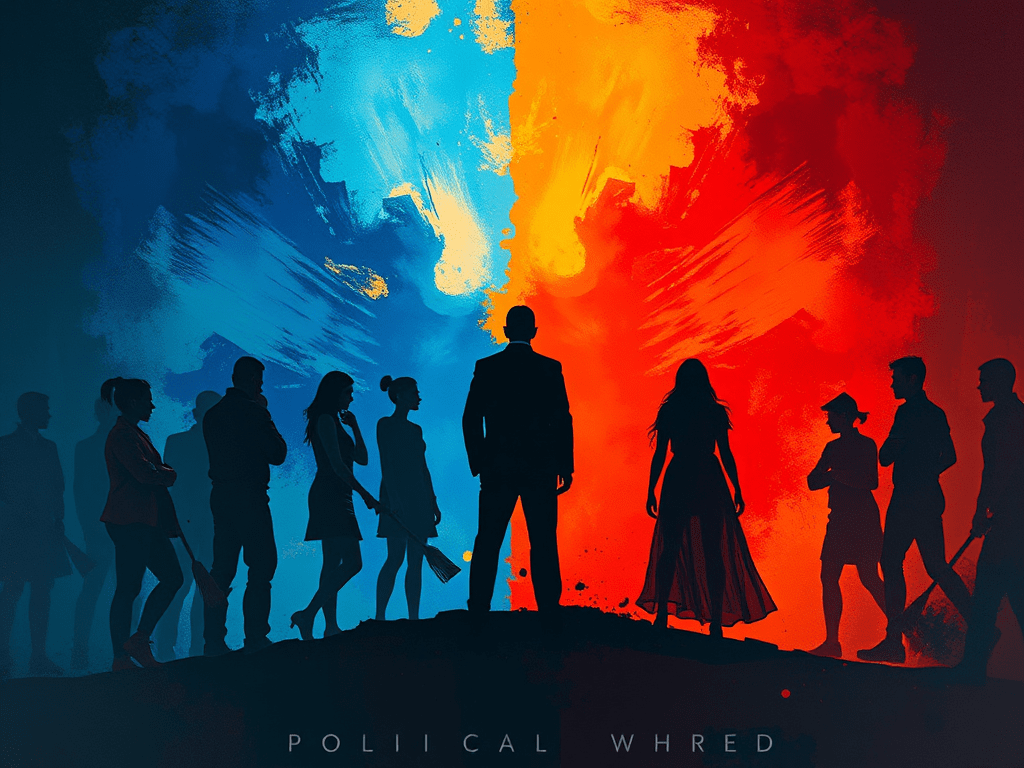
Politicians align with these castes not always out of belief but often for personal gain, power, or convenience. Their motives range from sincere to self-serving, leaving little room for the politically unaffiliated—the Casteless. These individuals reject the tribalism of Left or Right, standing apart from the ideological frenzy.
And yet, it is this Casteless group that suffers most when the Leftist or Rightist agenda mutates into fanaticism. Whether it’s policies bulldozing rights, unchecked ego-inflating rhetoric, or greed masquerading as governance, the Casteless bear the collateral damage.
The danger lies in the shades of extremism that both the Left and Right adopt, often wrapping destructive ambition in ideological righteousness. In this polarized battlefield, the Casteless must fend off the blind zealotry of both sides. Their struggle is not against Leftist or Rightist principles but against the distortion of those ideals into instruments of control and chaos.
In this politically charged world, the Casteless are the silent warriors, battling for balance and reason, fighting to ensure that no colour or caste drowns out the voices of humanity and sanity. Their stand may well be the last hope against the tides of fanaticism that threaten to overwhelm us all.

 Promod Puri.com