
Once hailed as the essentials of human survival, “roti, kapprda, aur makaan” (food, clothing, and shelter) now sees clothing strutting from a necessity to indulgence. The fabric of need has unravelled, and fashion weaves its flashy threads into environmental catastrophe.
Clothing isn’t just about covering anymore. It’s a billion-dollar spectacle, with the readymade industry raking in a jaw-dropping US$100 billion in 2022. From yoga leggings to cocktail gowns, innerwear to “athleisure,” the parade of trends keeps us on our toes—and our wallets wide open. The result? Overproduction that feeds overconsumption far beyond what our wardrobes (or the planet) can sustain.
Fast Fashion: Quick to Wear, Slow to Decompose
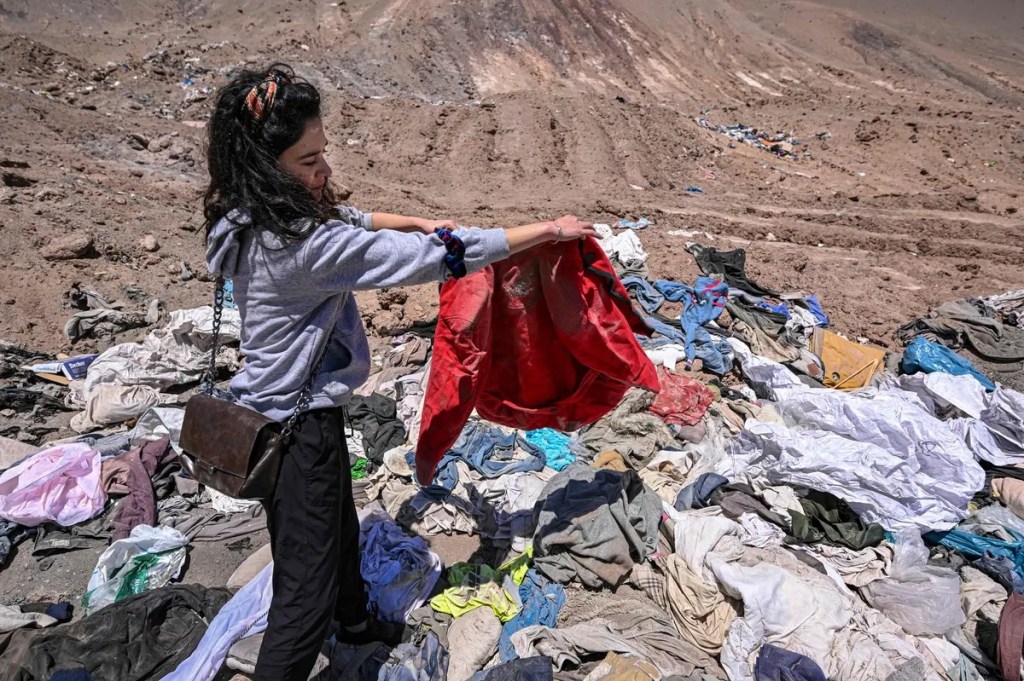
In the last 14 years, global clothing production has doubled, spinning a web of synthetic textiles that originate not in fields but in fossil fuels. Far removed from nature, these materials shed harmful microplastics with every wash or disposal, choking ecosystems. Even cotton, the poster child of “natural,” guzzles water and pesticides, making it far from an eco-saint.
And here’s the irony: Today’s clothing lasts longer than ever—years, even. Yet, the relentless drumbeat of new trends tells us to ditch perfectly good outfits for the next “it” look. Fashion has mastered the art of emotional manipulation, keeping us trapped in a loop of style-driven waste.
Breaking the Cycle: Choose Sustainability Over Style FOMO
What’s the fix? It starts with stepping off the fashion treadmill. By resisting the lure of fleeting trends and investing in durable, timeless pieces, we hit the brakes on fast fashion’s environmental wreckage.
Saving the planet never looked so good—and it doesn’t require a new outfit.

 Promod Puri.com